
Throughout the 19th and 20th centuries as empires fell and revolutions swept the globe, many newly formed republics stripped away royal iconography from their national symbols. Crowns, scepters, and thrones were replaced by stars, stripes and eagles.
This “flag family” proudly still maintains crowns on their national banners today. Some of these countries are actively ruled by monarchs, others are modern democracies and republics that use the crown to honor historical roots and ancient sovereignty. Let’s explore the world of flags that wear a crown.
The Monarchies: Spain and Liechtenstein
For nations that still have a royal family, the crown is a literal representation of the current head of state and the country’s system of government.
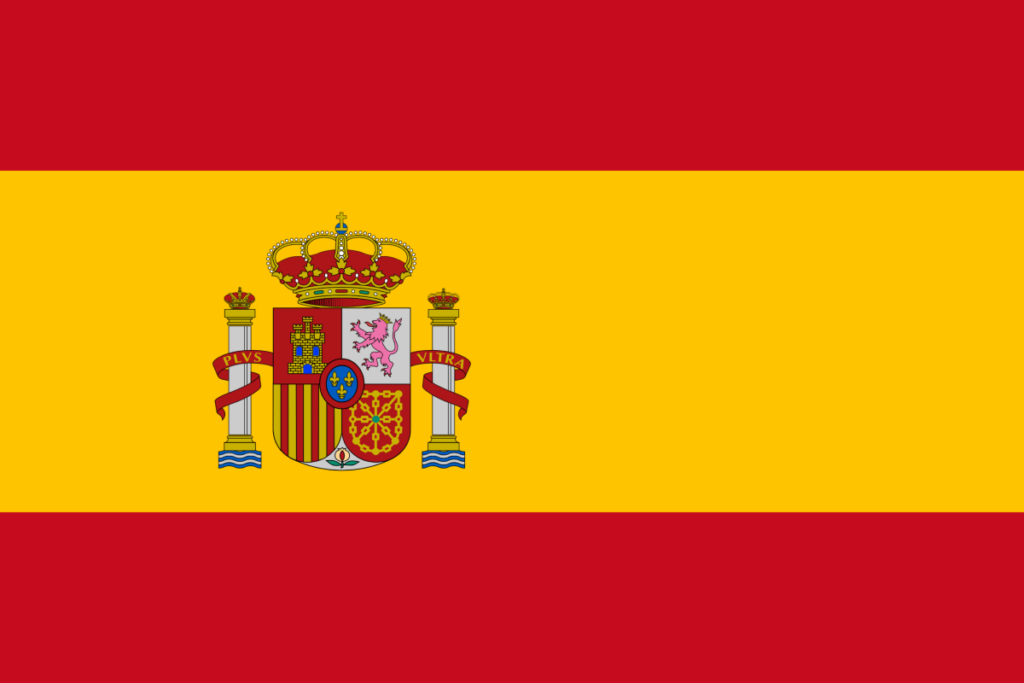
- Spain: The flag of Spain features a complex coat of arms set off-center on a horizontal yellow band. At the top of the crest is the Spanish Royal Crown, a direct visualization of the nation’s constitutional monarchy. Looking more closely at the two Pillars of Hercules on either side of the shield, there are two more crowns: the Imperial Crown of the Holy Roman Empire on the left, and the Spanish Royal Crown on the right.
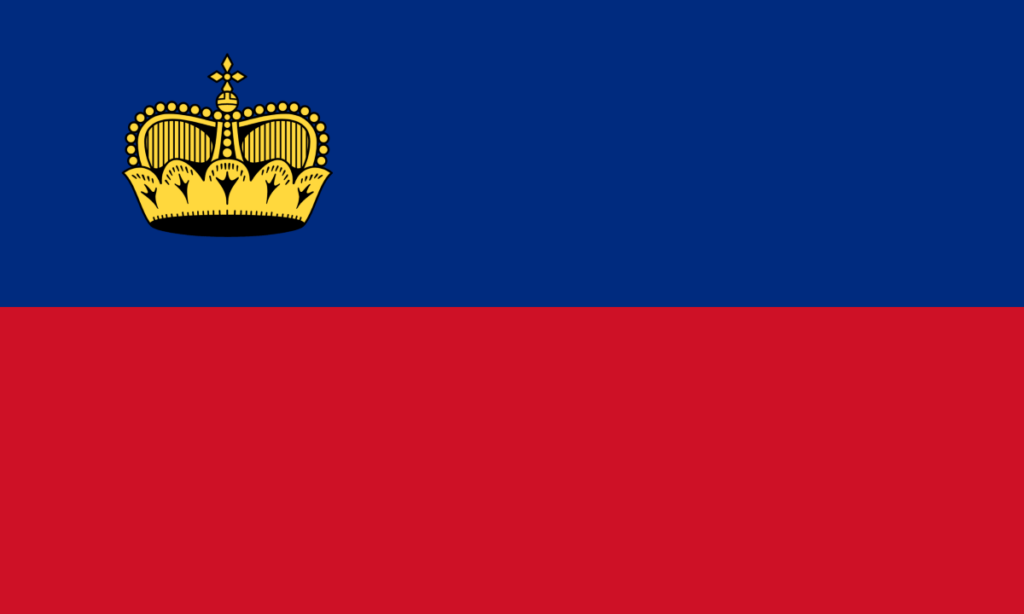
- Liechtenstein: The small European principality features a golden princely crown in the top-left corner of its blue and red flag. However, it wasn’t originally there! At the 1936 Summer Olympics in Berlin, the Liechtenstein team realized that their flag was identical to the flag of Haiti. To prevent future confusion, the government added the golden crown in 1937 to signify its status as a principality.
The Republics: Serbia and Montenegro
Some nations that no longer have kings or queens choose to keep royal imagery alive on their flags as a nod to their historical statehood.
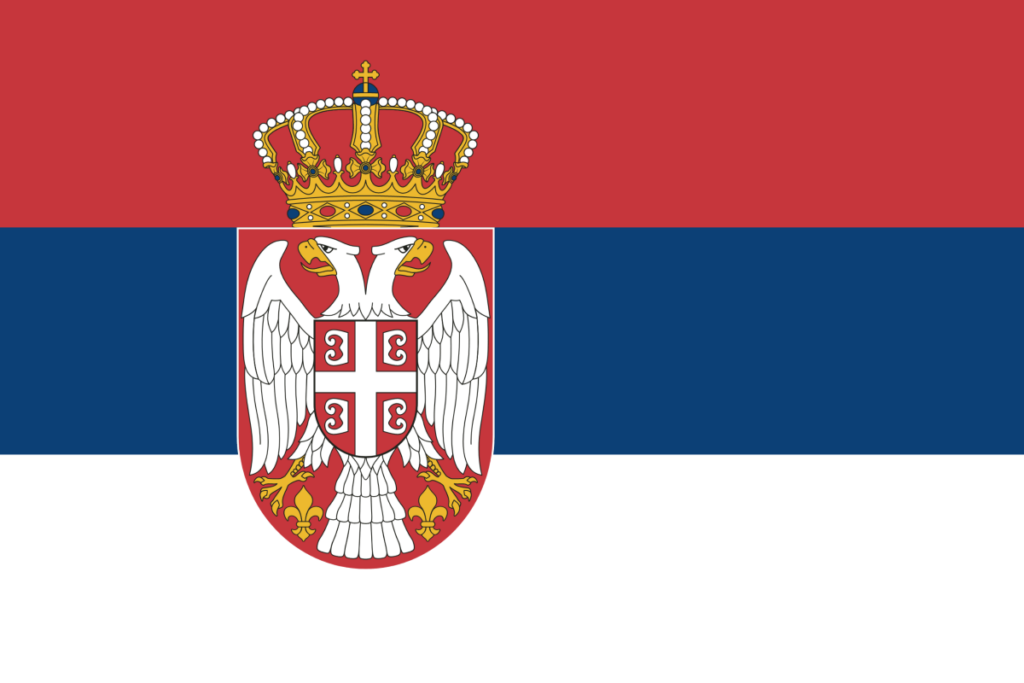
- Serbia: Despite being a republic, the flag of Serbia displays a grand royal crown sitting above a white double-headed eagle. This crown belongs to the historical Nemanjić dynasty, which ruled the Serbian Empire during the Middle Ages. For modern Serbia, the crown represents the country’s history rather than a desire to return to a monarchy.
- Montenegro: Similar to its neighbor, the modern republic of Montenegro features a red flag with a golden double-headed eagle in the center. Just above the eagle’s heads is a golden royal crown. This honors the historical Kingdom of Montenegro and the Petrović-Njegoš dynasty, serving as a symbol of the nation’s independence.
Beyond Nations: Regional Royal Flags
Crowns are incredibly popular on sub-national and regional flags, especially in areas with deep historical or colonial royal connections.
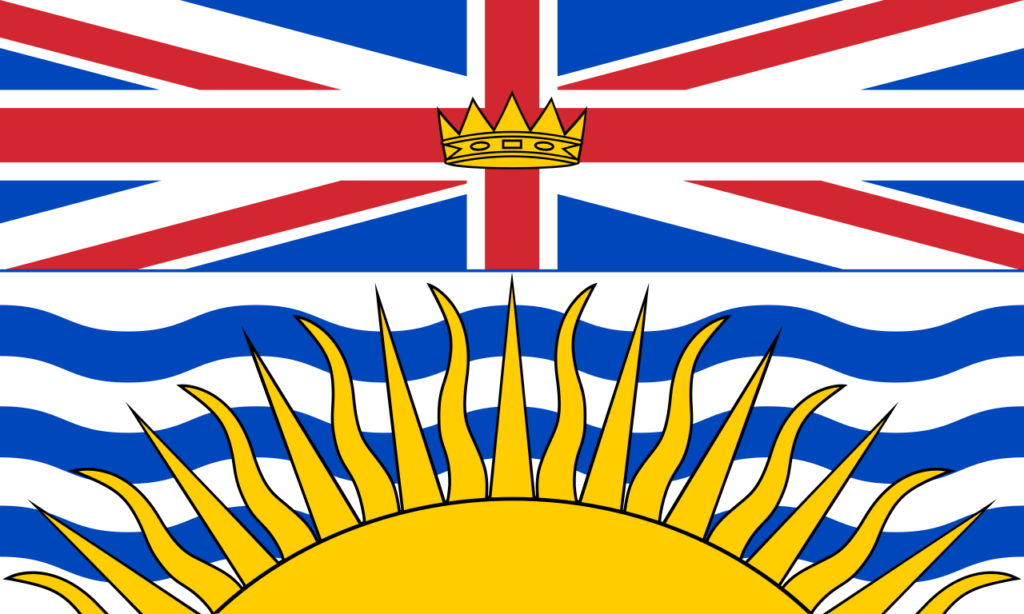
The Canadian province of British Columbia, for instance, features a flag heavily influenced by its origins as a British colony. The top half of the flag displays the British Union Jack, and sitting directly in the center of it is St. Edward’s Crown.
Italian regions also maintain this tradition on their flags. The flag of Apulia features a central shield resting beneath a prominent golden regional crown. Similarly, the flag of Lazio displays its coat of arms—representing its five provinces—topped with a golden crown, beautifully linking modern local government to historic heraldry.
What Birds Tell Us About a Nation
When a country flies a crown on its flag today, it is making a statement about continuity. Whether it is a monarchy honoring its current king, a republic remembering its medieval empire, or a principality fixing an Olympic mix-up, these flags prove that modern nations are still deeply tied to their royal pasts.
Want to learn more about the incredible history behind the world’s most unique flags? Watch our video playlist below!