
Peaceful symbols like stars, suns and flora are often used on national flags, and while it might seem aggressive at first glance, the inclusion of weapons is rarely about promoting conflict.
These symbols usually tell a story about a nation’s hard-fought revolution, its commitment to justice, or the historical defense of its sovereignty. From modern firearms to ancient swords, let’s explore the national flags that bear arms.
The Modern Firearm: Revolution and Vigilance
It is incredibly rare to see modern weaponry on a flag, and the countries that feature them do so to remember their struggles for independence.
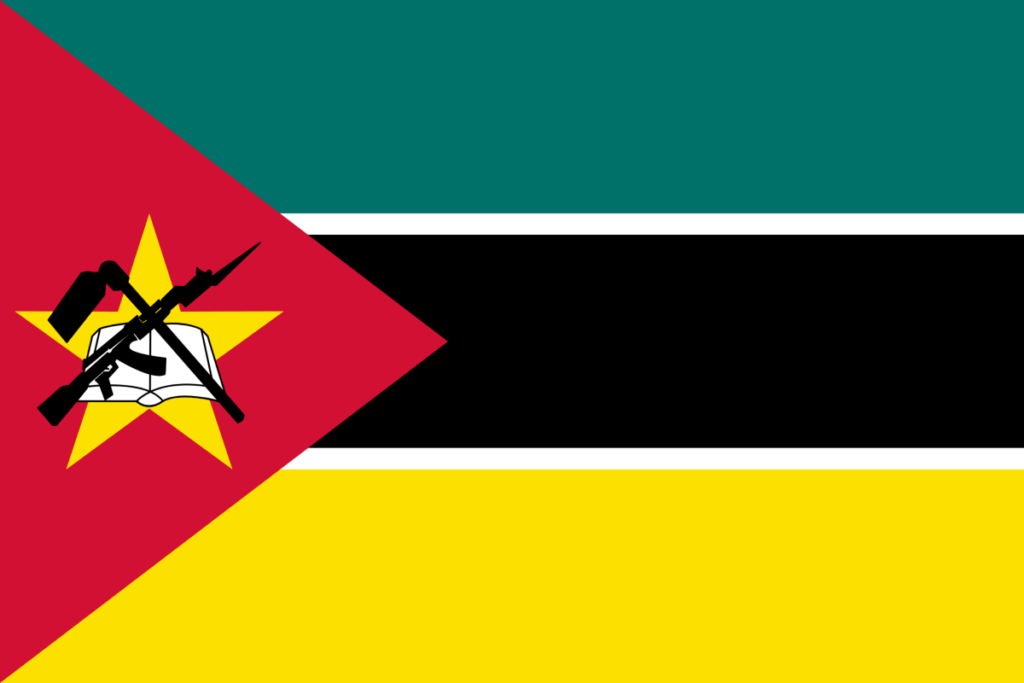
- Mozambique: Perhaps the most famous flag in this category, Mozambique features an AK-47 assault rifle complete with a bayonet. Crossed with an agricultural hoe over an open book, the Kalashnikov rifle represents vigilance and the defense of the nation following its struggle for independence.
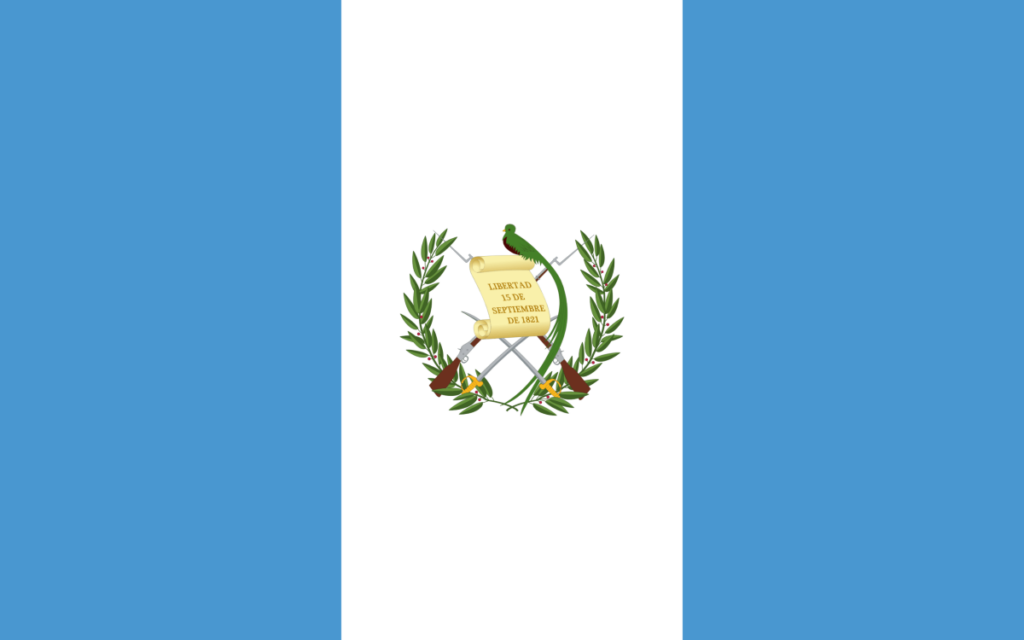
- Guatemala: The coat of arms in the center of the Guatemalan flag features two crossed Remington rifles with bayonets. These rifles symbolize Guatemala’s willingness to defend its sovereignty, framed by a laurel wreath representing victory.
Swords and Daggers: Justice and Heritage
Swords are a much older symbol in vexillology, typically representing authority, justice, and historic warrior cultures.
- Saudi Arabia: The flag of Saudi Arabia features a prominent, traditional Arab sword beneath the Shahada (the Islamic declaration of faith). Unlike decorative imagery, this straight sword represents strictness in the application of justice, strength and national unity.
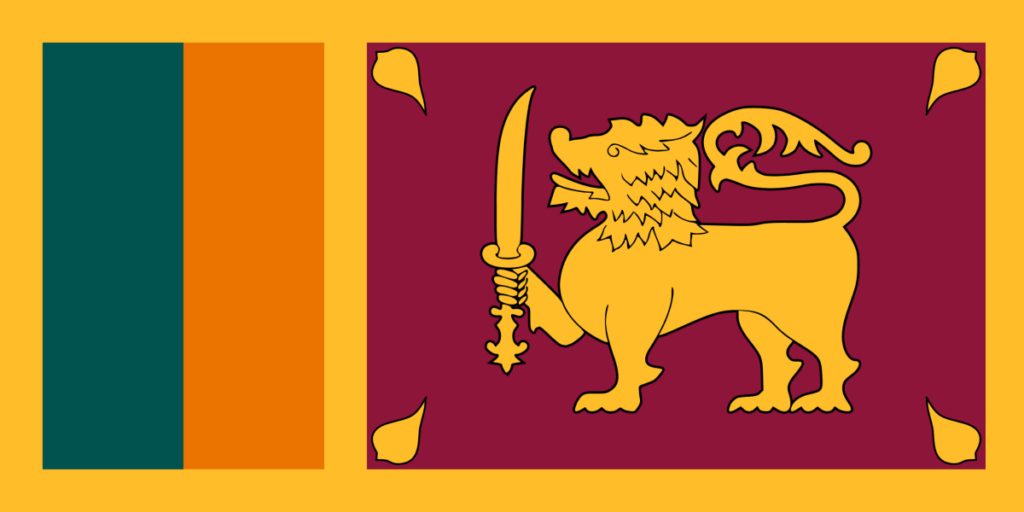
- Sri Lanka: The Sri Lankan flag features a golden lion holding a traditional Kastane sword in its right paw. Rather than a separate symbol, the sword is a part of the lion’s identity, symbolizing the power, bravery, and sovereignty of the nation.
- Oman: Oman’s national emblem, placed in the upper-left corner of its flag, features two crossed swords and a traditional curved dagger known as a khanjar. The khanjar is a living cultural symbol of Omani heritage and dignity, while the crossed swords represent military readiness and protection.
Shields and Spears: Traditional Defense
Several African nations proudly display traditional weaponry to honor their indigenous heritage and the defense of their people.
- Kenya: The centerpiece of the Kenyan flag is a depiction of a traditional Maasai shield crossed with two warrior spears. These elements represent the defense of freedom and the protection of the Kenyan people, perfectly complementing the flag’s colors of black, red, and green.
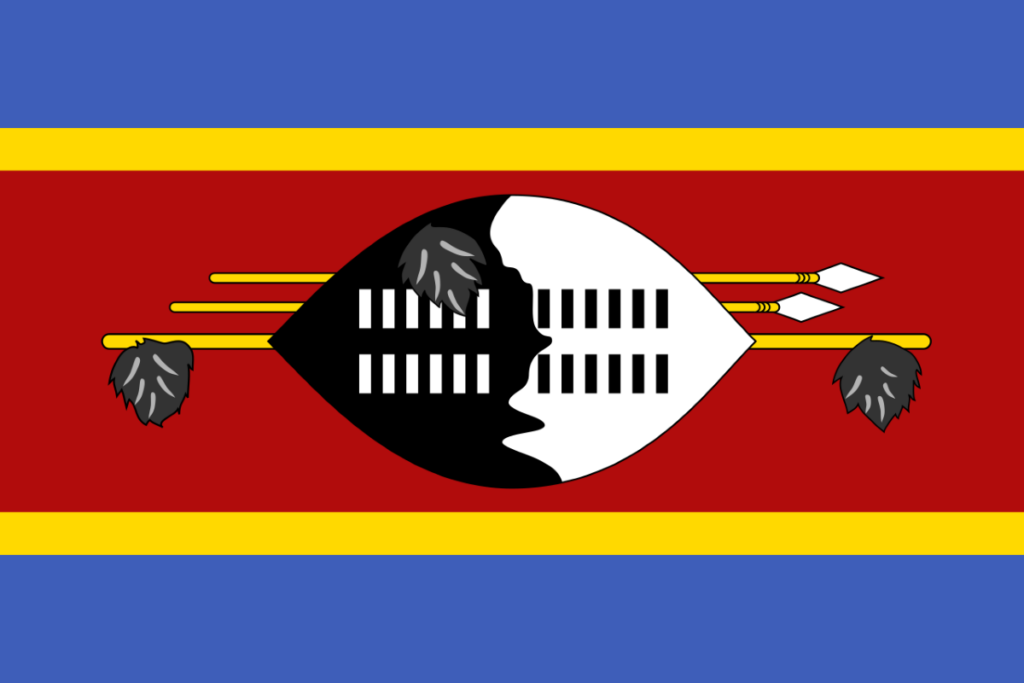
- Eswatini: The flag of Eswatini (formerly Swaziland) features a large black and white traditional Nguni shield. Behind the shield rest two spears and a fighting stick decorated with feather tassels, symbolizing the protection of the country from its enemies.
The Machete: Agriculture and Armed Struggle
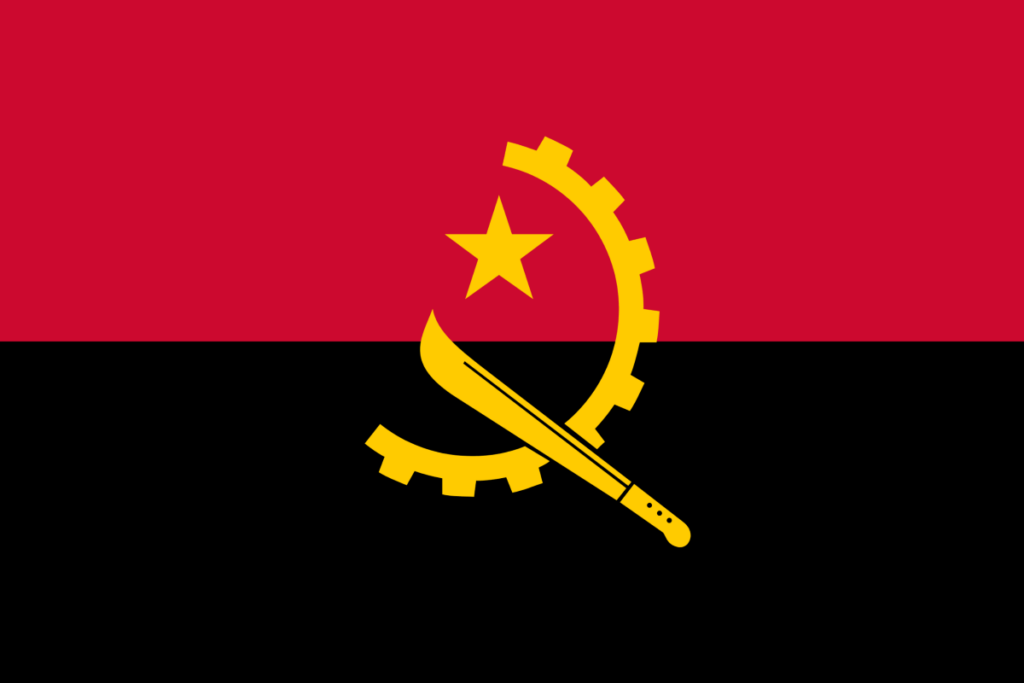
- Angola: The flag of Angola features a red-and-black bicolor background centered with a yellow emblem: a half-gear crossed with a machete. Heavily influenced by Soviet iconography during the Cold War, the gear represents industrial workers, while the machete represents both the agricultural working class and the armed struggle that led to the nation’s independence.
What Weapons Tell Us About a Nation
When a country places a weapon on its flag, it isn’t glorifying violence; it is making a statement about survival, justice, and identity. Whether it is an ancient sword symbolizing royal authority or an assault rifle representing a modern revolution, these symbols remind us of the heavy price many nations paid for their sovereignty.
Want to learn more about the incredible history behind the world’s most unique flags? Watch our video playlist below to test your knowledge!