
The night sky has inspired human navigation and mythology for millennia. When observing this “flag family,” the moon appears in one of two distinct lunar phases: the crescent or the full moon.
The crescent is associated with historical empires and the Islamic faith, it is also used to signify growth. A full moon is used to symbolize peace, unity and the natural beauty of the nation’s landscape. Let’s look upward and explore the flags featuring moons.
The Ottoman Legacy: Historic Crimson Crescents
The crescent moon with a star has roots in the Ottoman Empire which influenced the flags of several modern nations across the Mediterranean and beyond.
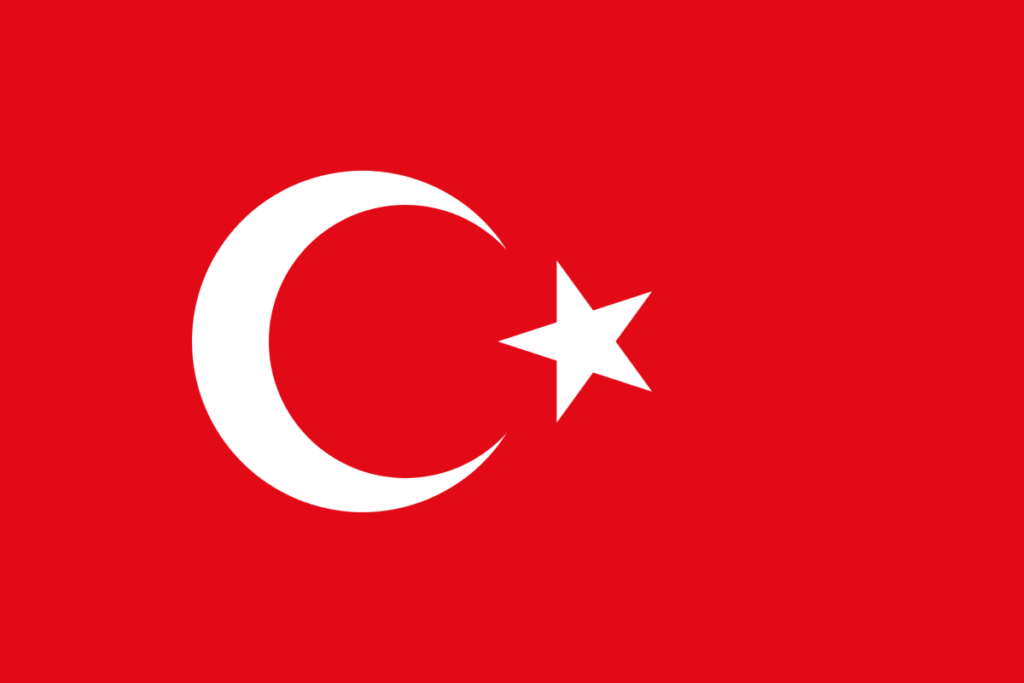
- Turkey: The flag of Turkey features a white crescent moon and a five-pointed star centered on a vivid red background. It is a direct descendant of the Ottoman flag, serving as the blueprint for many other national flags that adopted the crescent as a symbol of Islamic heritage.
- Tunisia: Sharing historical ties with the Ottomans, the flag of Tunisia features a red crescent and star enclosed within a white circle on a bright red field. Adopted in the 1830s, this flag has remained unchanged for nearly two centuries, symbolizing its ancient Mediterranean and Islamic roots.
Green Banners: Islamic Faith and Progress
For several Islamic republics, a green background paired with a crescent moon serves as a declaration of traditional faith and forward looking national growth.
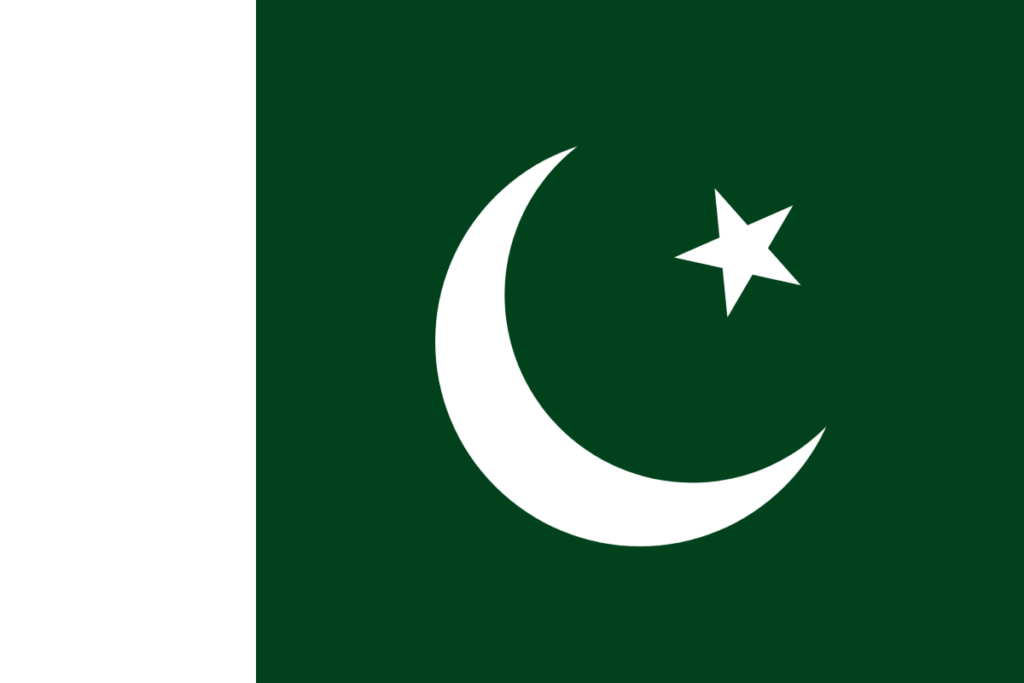
- Pakistan: The dark green flag of Pakistan features a prominent white crescent and star. In this design, the crescent moon represents progress and the forward movement of the nation, while the star represents light and knowledge.
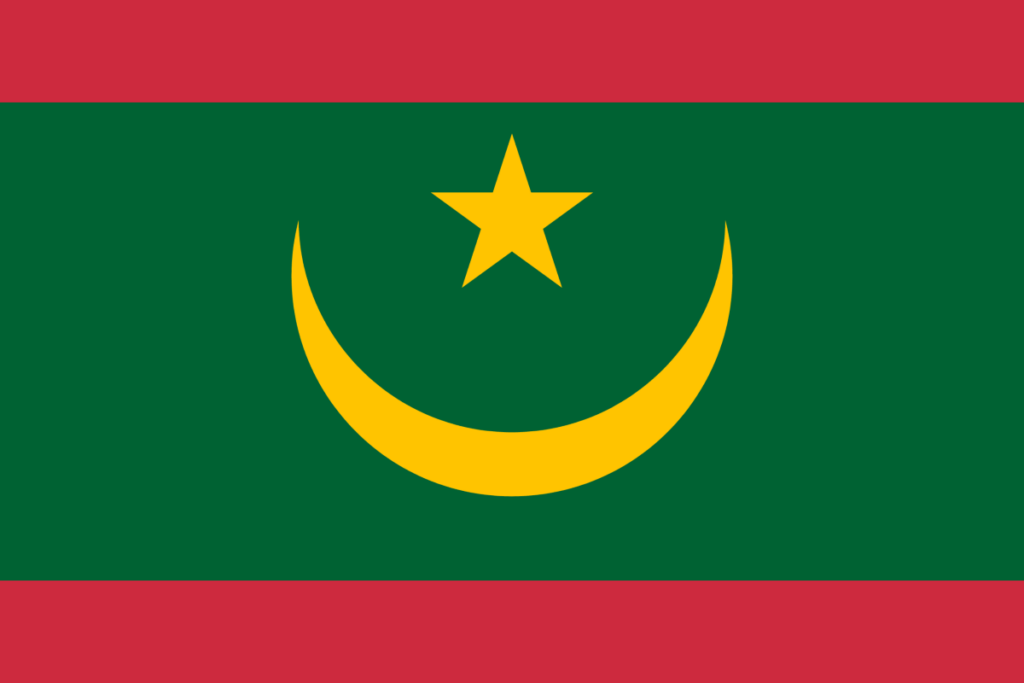
- Mauritania: The flag of Mauritania features a gold crescent and star sitting horizontally on an emerald green field, framed by two red stripes. Both the green background and the crescent are traditional symbols of Islam, while the gold coloring represents the sands of the Sahara Desert.
Southeast Asia: Religion and Rising Nations
In Southeast Asia, the crescent moon is utilized to represent both the official state religion and the dawn of a new, independent political era.
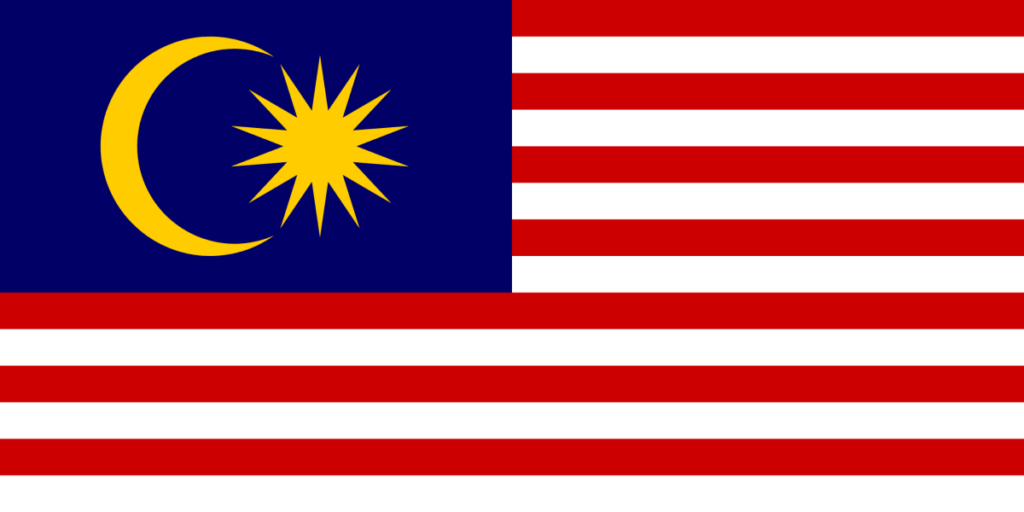
- Malaysia: The Malaysian flag (Jalur Gemilang) features a yellow crescent moon in its blue canton, placed next to a 14-pointed star. The yellow color represents the royal authority of the Malay Rulers, and the crescent symbolizes Islam as the country’s state religion.
- Singapore: The flag of Singapore features a white crescent moon next to a circle of five stars on a red and white bicolour. While it looks similar to Islamic flags, the meaning is different. The crescent moon represents a young rising nation and the five stars represent the nation’s ideals of democracy, peace, progress, justice, and equality.
The Full Moon: Peace and Natural Beauty
Unlike the politically and religiously charged crescent, the full moon is a much rarer symbol in vexillology. When it does appear, it is usually a serene representation of nature and harmony.
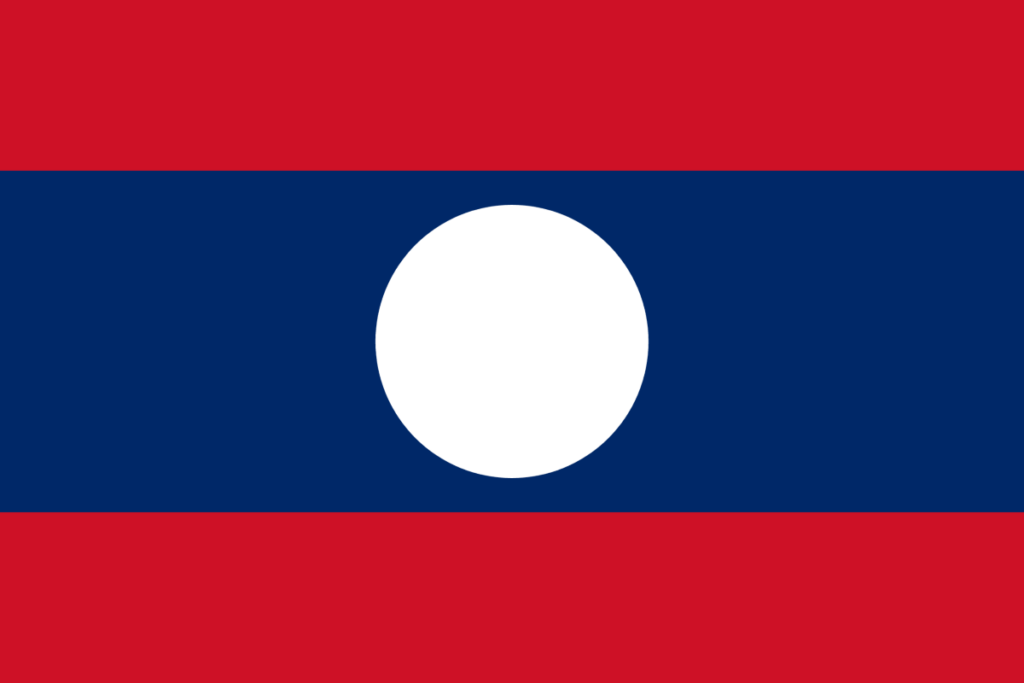
- Laos: The flag of Laos is a horizontal triband of red, blue, and red. Centered within the thick blue stripe is a stark, white circular disc. This disc represents the full moon shining over the waters of the Mekong River. Conceptually, it is also a powerful motif of national unity, representing the reunification of the country under the communist government.
- Palau: The flag of Palau is brilliantly minimalist, a simple golden yellow circle on a light blue background. The blue field represents the Pacific Ocean surrounding the island nation. The golden circle represents the full moon. Culturally significant in Palau, the full moon is considered the optimal time for human activity, including fishing, planting, and harvesting.
What Moons Tell Us About a Nation
Celestial bodies connect a nation’s earthly borders to the sky above. When a country features a crescent moon, it is usually honoring spiritual heritage or declaring an era of ascending growth.
When a country features a full moon, it is a statement of unity, natural balance and peace. Want to learn more about the incredible history behind the world’s most unique flags? Watch our video playlist below!