
Natural elements are commonplace on world flags, you will find plenty of leaves, vines, and flowers. While a leaf often represents the natural environment, a tree makes a bold statement about a nation’s identity.
Trees symbolize deep historical roots, endurance, strength, and the foundational resources that built the country. Let’s branch out and explore the fascinating flags that feature trees.
The Iconic Evergreens: Peace and Endurance
Evergreen trees are classic symbols of immortality, resilience, and eternal life, making them powerful national emblems.
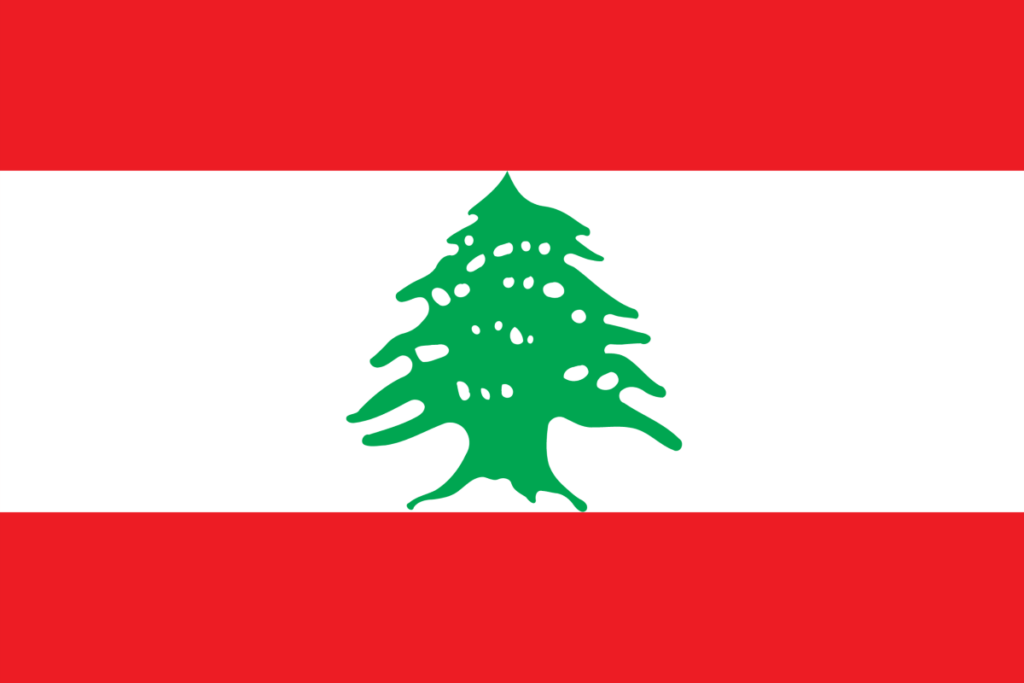
- Lebanon: The flag of Lebanon features perhaps the most famous tree in all of vexillology: the green Lebanon Cedar. Centered on a broad white band between two red stripes, this cedar has been a symbol of holiness, eternity, and peace for thousands of years, even being referenced multiple times in ancient historical texts.
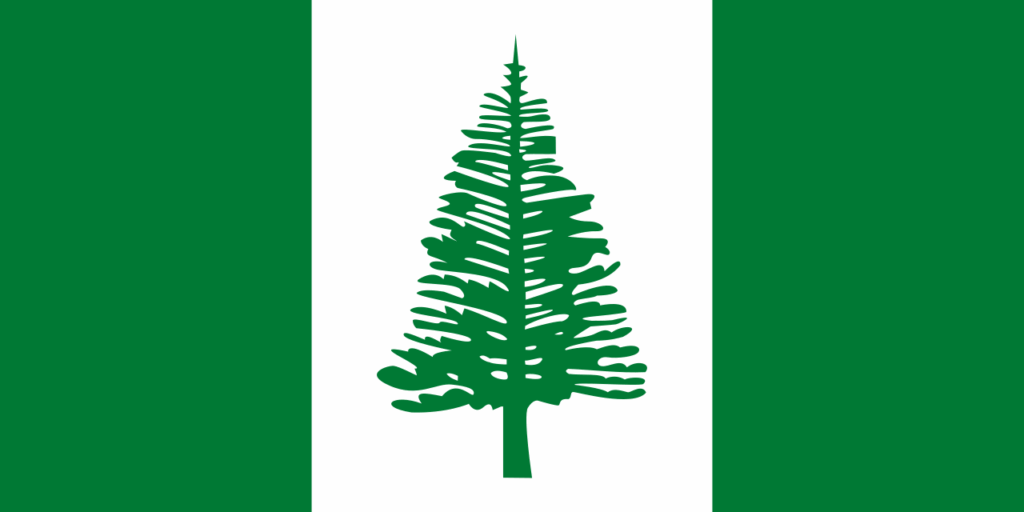
- Norfolk Island (Australia): Similar in layout to the Lebanese flag, this Australian external territory features a green Norfolk Island Pine on its central white band. This towering evergreen is native exclusively to the small island and is a symbol of their unique, isolated ecosystem.
Forestry and National Foundations
For some nations, trees aren’t just symbolic; they are the literal foundation of the country’s economy and history.
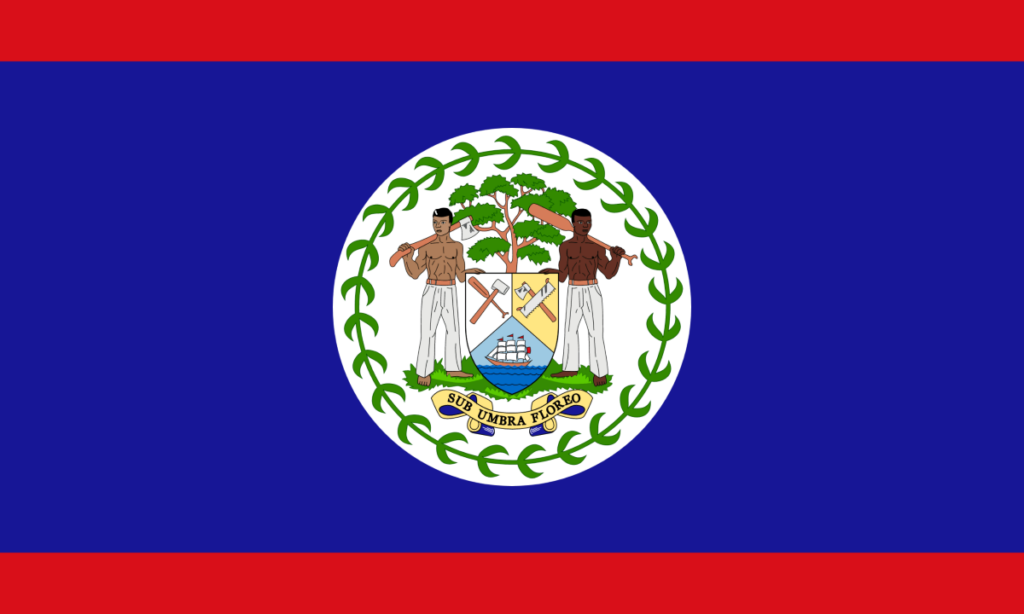
- Belize: The coat of arms in the center of the Belizean flag features a large, shading Mahogany tree. Beneath it stand two woodcutters with their tools. This honors the mahogany logging industry, which was the foundational pillar of the nation’s early economy. Below the tree is the national motto: Sub Umbra Floreo (Under the shade I flourish).
- Equatorial Guinea: The center of this African nation’s flag features a silver shield containing a Silk Cotton tree (also known as a Kapok tree). Often called the “God Tree,” it holds deep historical significance and represents the exact spot where the first treaty was signed between a local ruler and the Spanish explorers.
The Palms: Island Defense and Tropical Life
Palm trees instantly evoke a sense of tropical geography, on flags they often carry a deeper meaning of defense and survival.
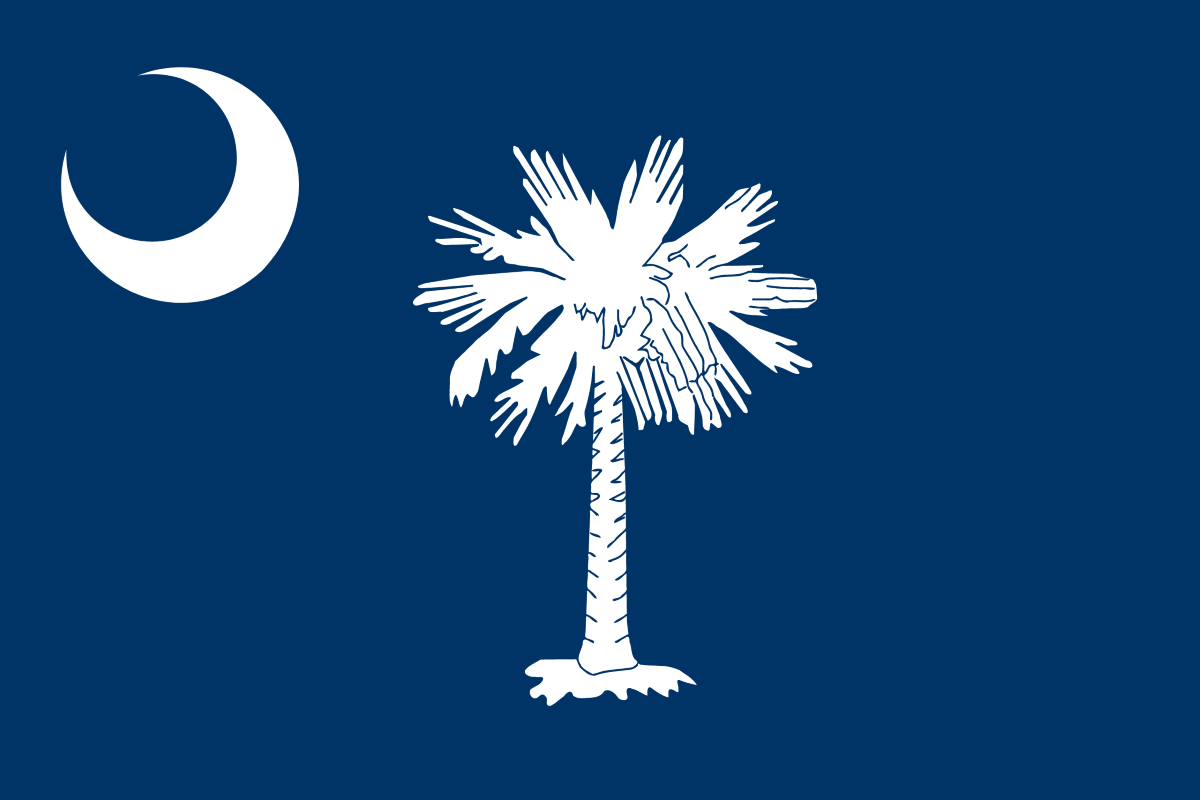
- South Carolina (USA): One of the most famous regional flags in the world, the South Carolina state flag features a white Sabal Palmetto tree on an indigo background. This isn’t just about local flora; it is a proud military tribute. During the American Revolutionary War, the walls of Fort Moultrie were built from spongy palmetto logs, which miraculously absorbed British cannonballs rather than shattering.
- Haiti: The center of the Haitian flag features a white square containing the national coat of arms. Towering above the cannons, bugles, and flags in this emblem is a Royal Palm tree topped with a Phrygian cap (a classic symbol of freedom). Here, the palm represents the towering independence and liberty of the first free Black republic.
What Trees Tell Us About a Nation
When a country chooses a fully rooted tree over a simple leaf or flower, they are honoring their foundation. Whether it is a palmetto tree that literally defended a fort, a mahogany tree that built an economy, or an ancient cedar that stood tall through millennia, these flags remind us that a strong nation requires deep roots.
Want to learn more about the incredible history behind the world’s most unique flags? Watch our video playlist below to test your knowledge!