
Categorizing Flags: What is a Flag Family?
Every flag tells a story, while we often think of national flags as completely unique standalone symbols, the world of vexillology is all interconnected. Throughout history, geography, changing borders and ancient heraldry have caused specific design elements to echo across the globe. Looking beyond modern geographic borders. A “flag family” is a group of flags that share design elements, colors or symbols due to a shared history, culture or heritage.
Whether it is a shared devotion to the night sky, the memory of a historical shipwreck or a shared lineage tracing back to medieval empires of Europe, flags that share these core motifs are intrinsically linked. Understanding these elements is the key to decoding the hidden visual language of world history.
Types of Flags: Beyond the National Banner
To truly understand how flags are related we must look at the different types of flags flown around the world. These families do not just categorize the standard national flags you see at the Olympics or the United Nations. By looking at all these types of flags together, the true connections between nations begin to emerge. Browse the categories below to dive into the fascinating shared DNA of the world’s most iconic flags.
Explore the Families
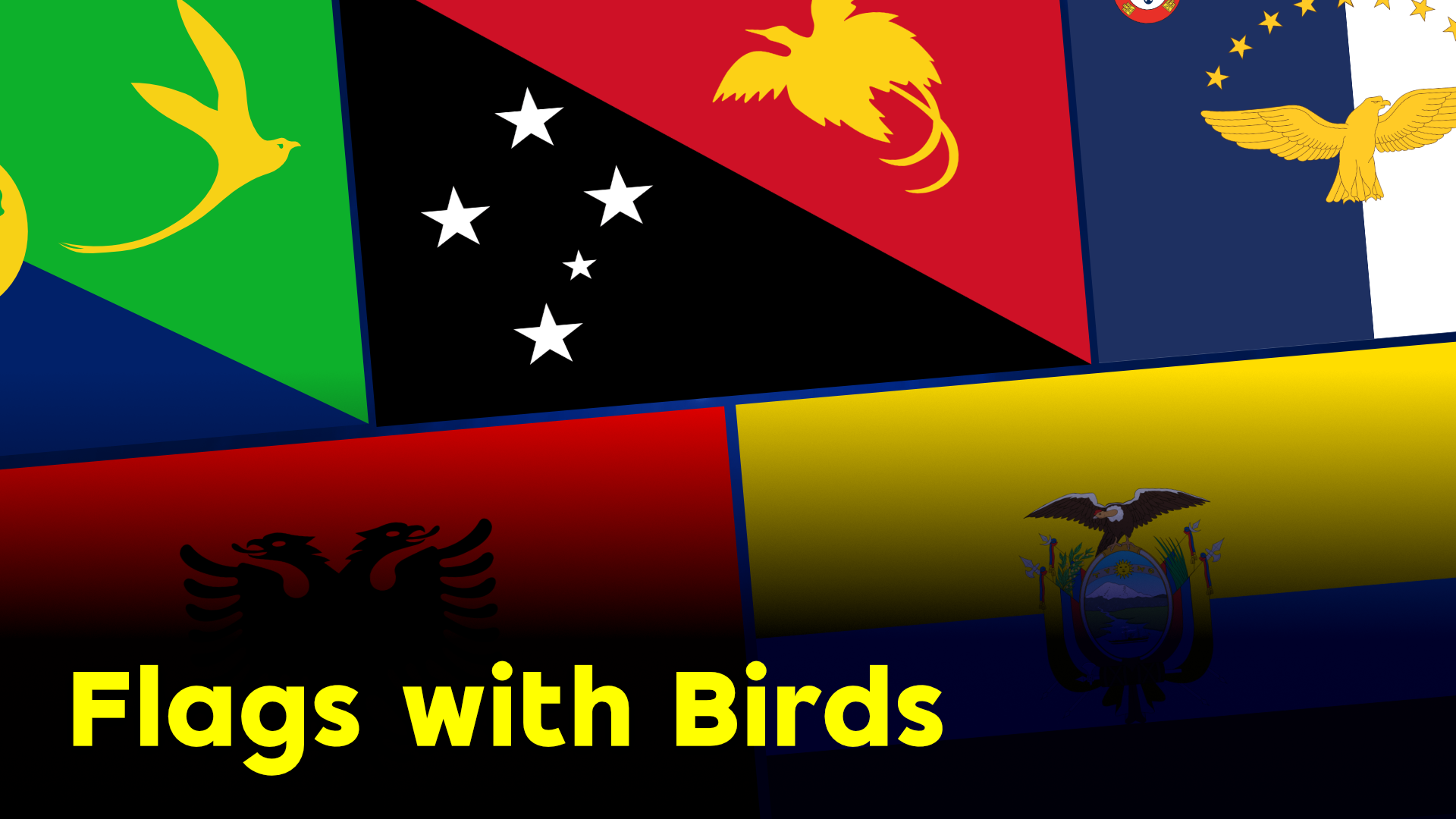
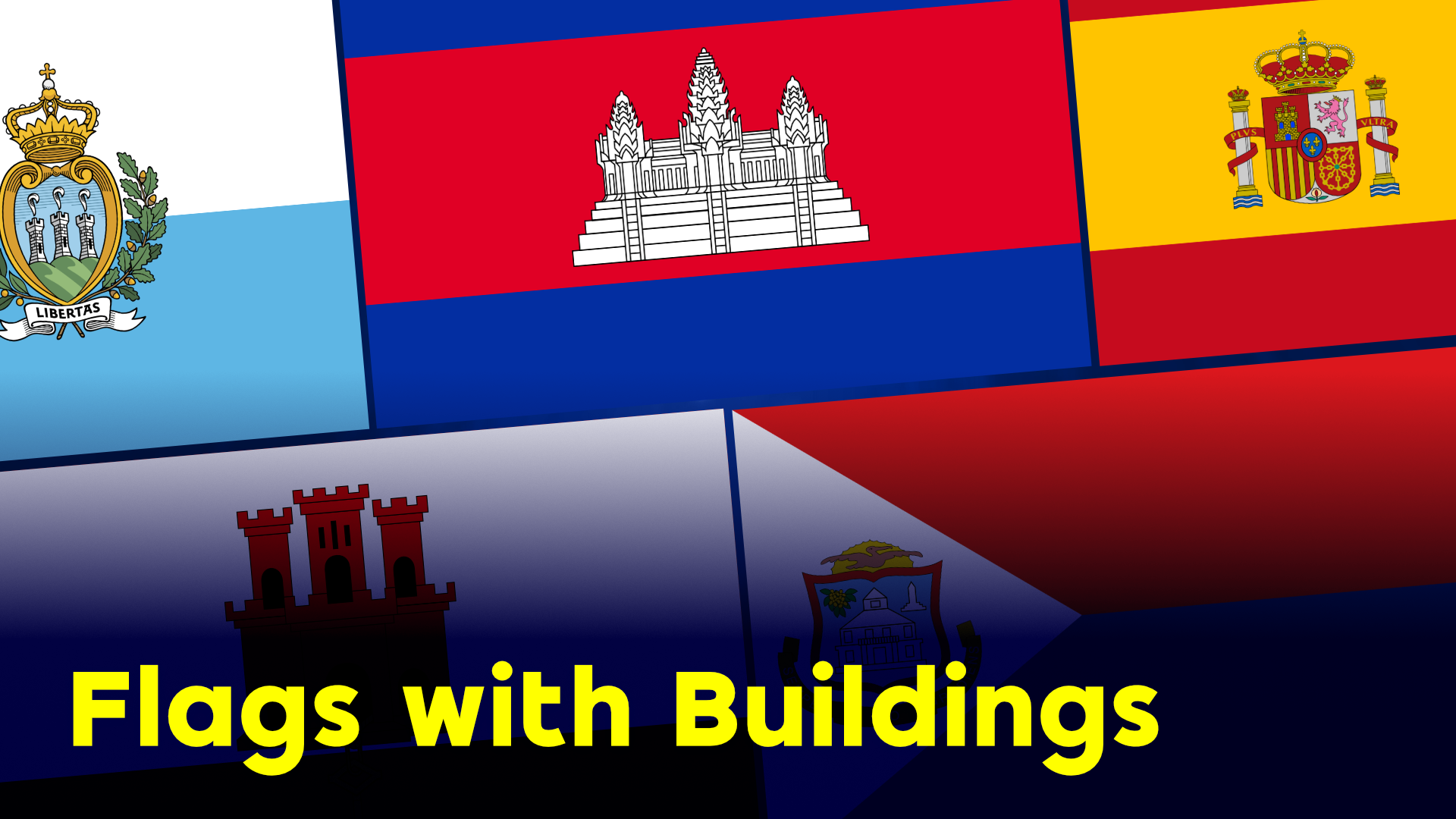
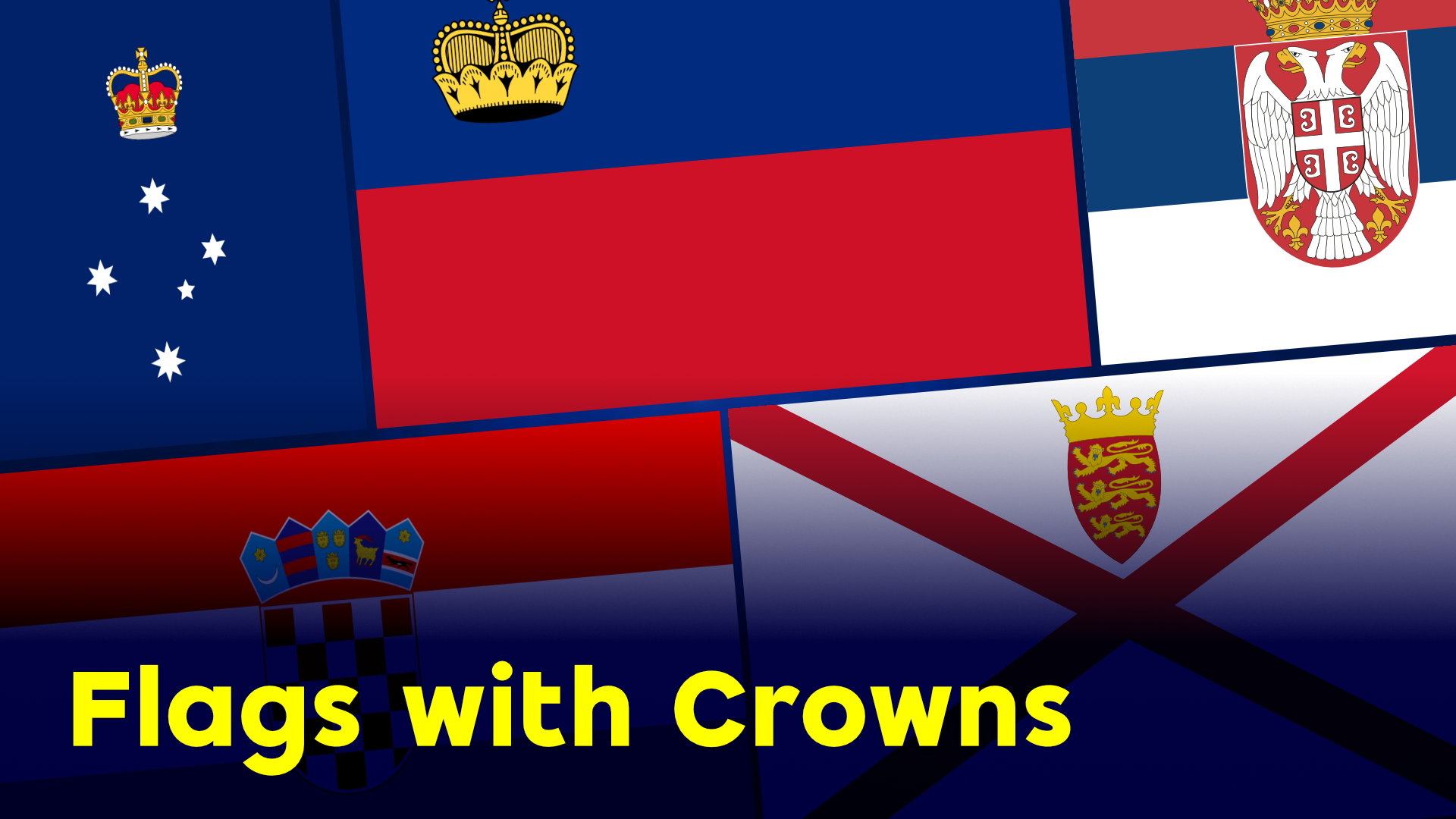
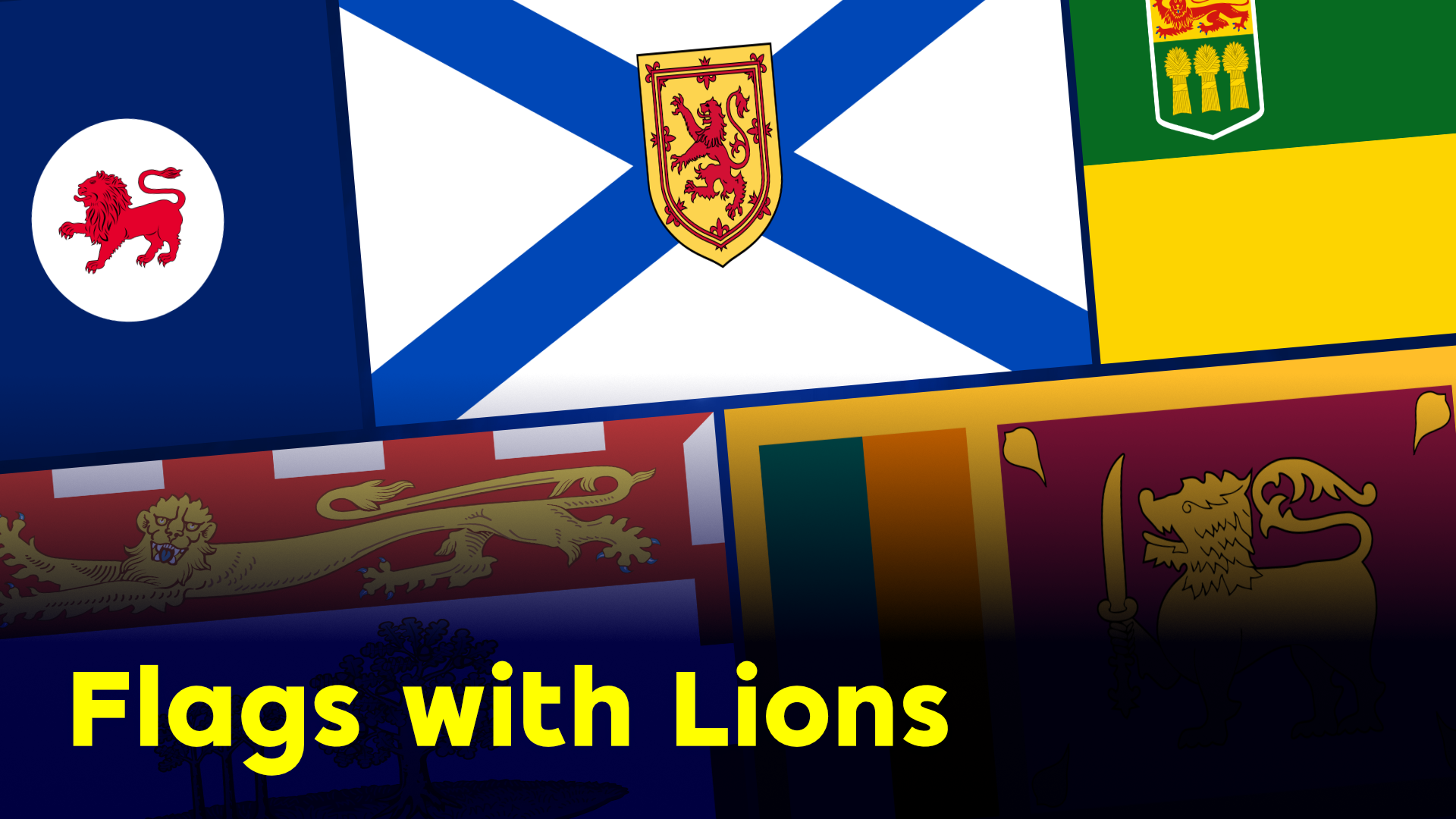
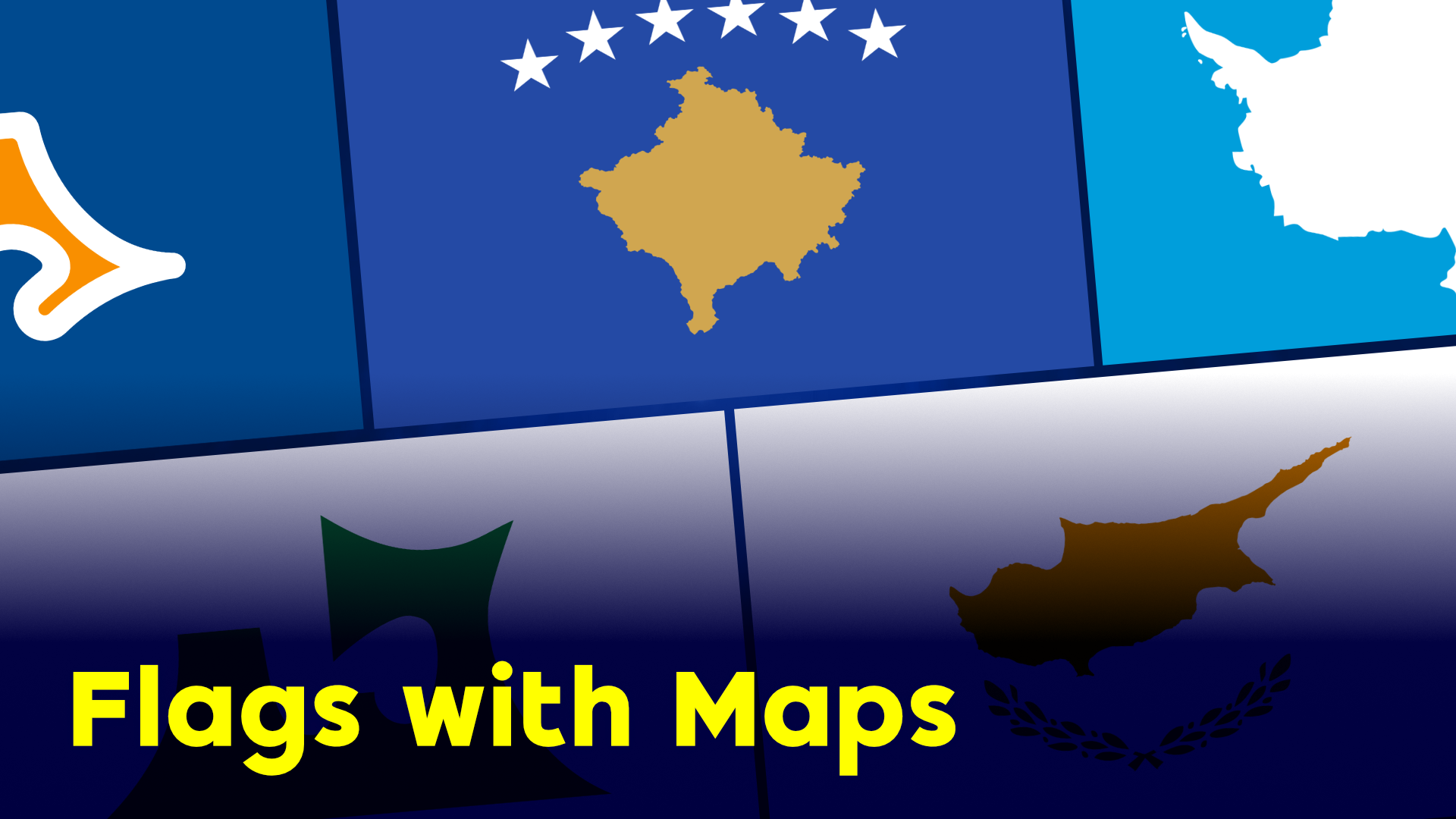
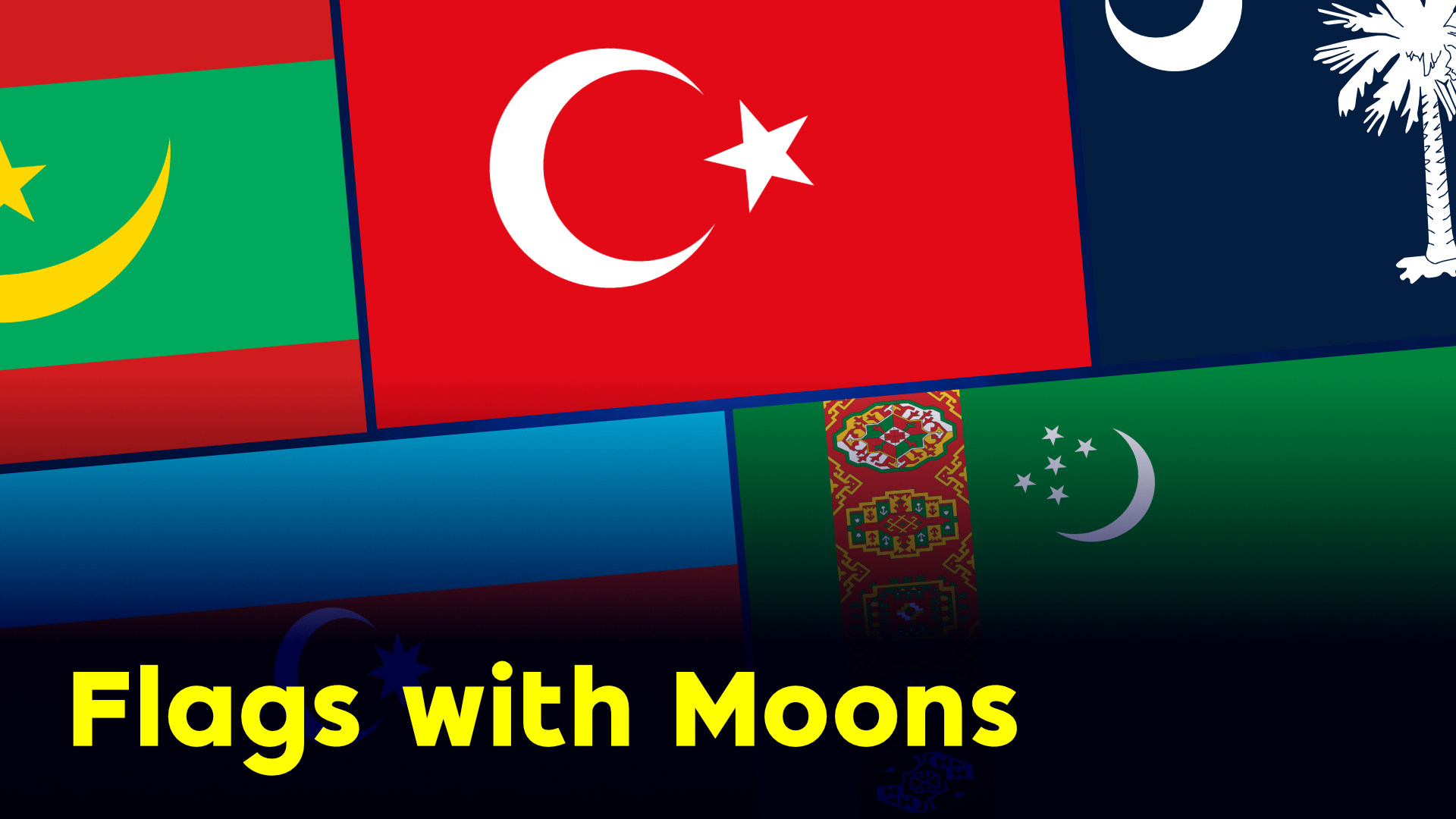
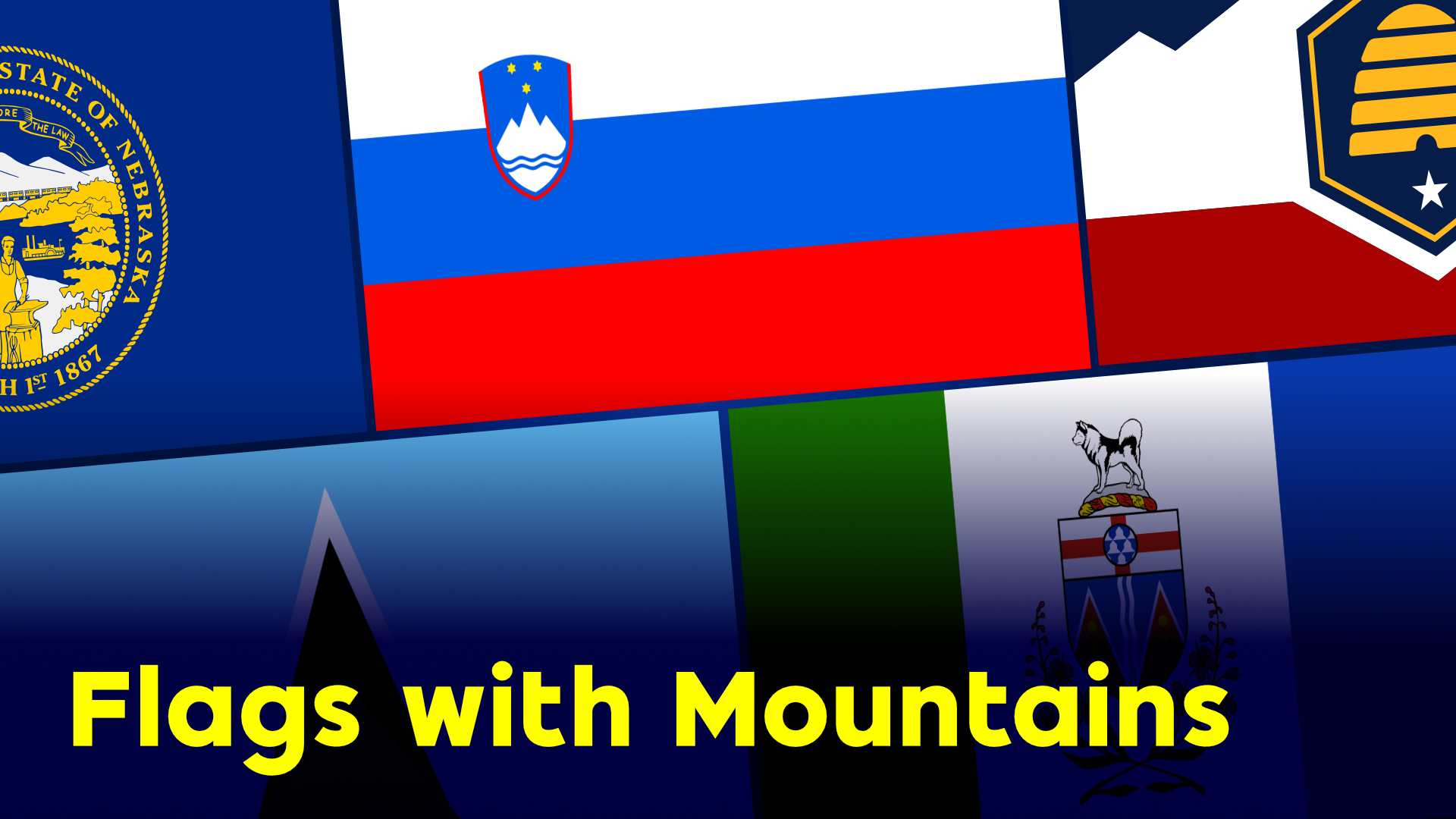
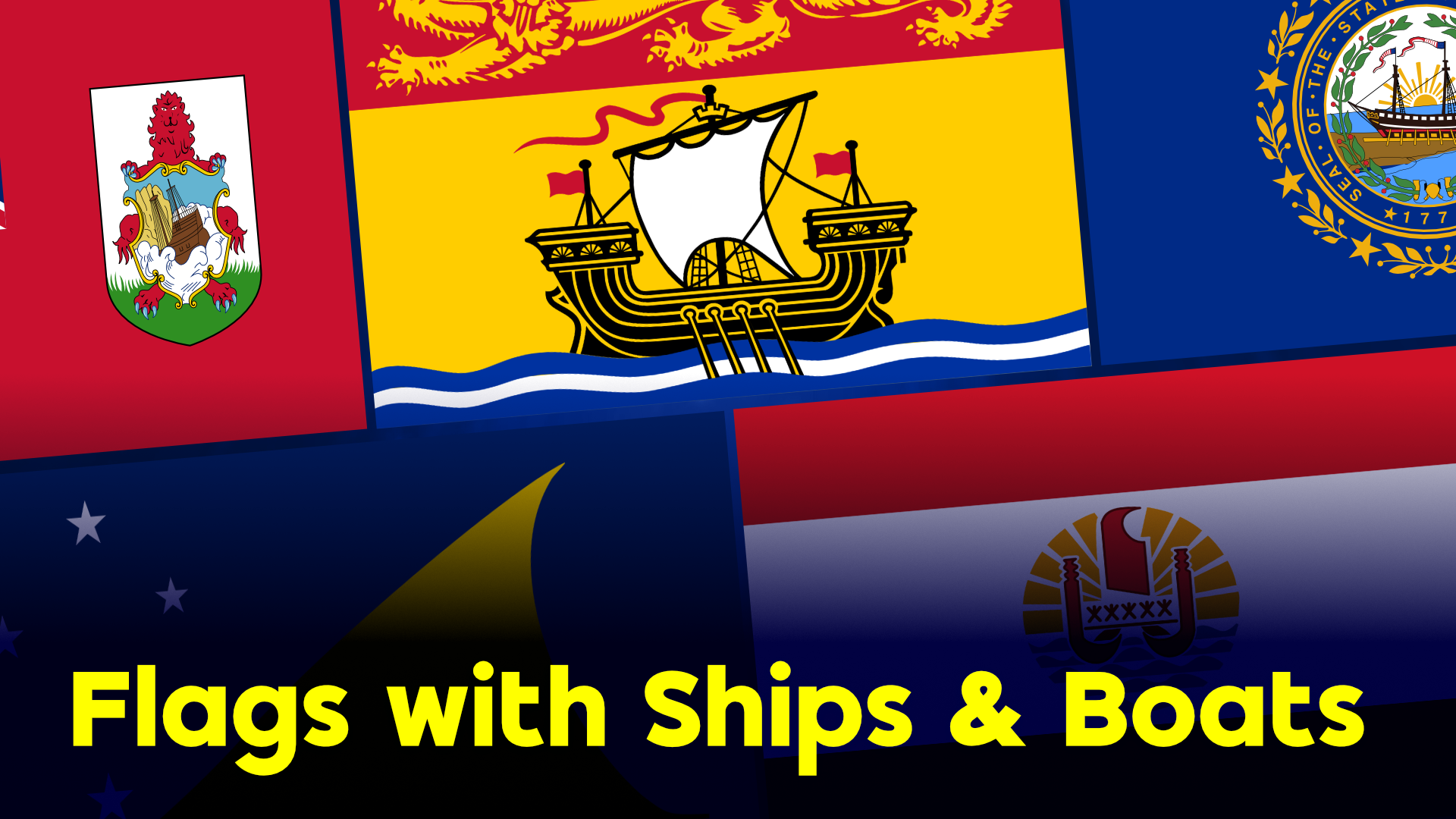
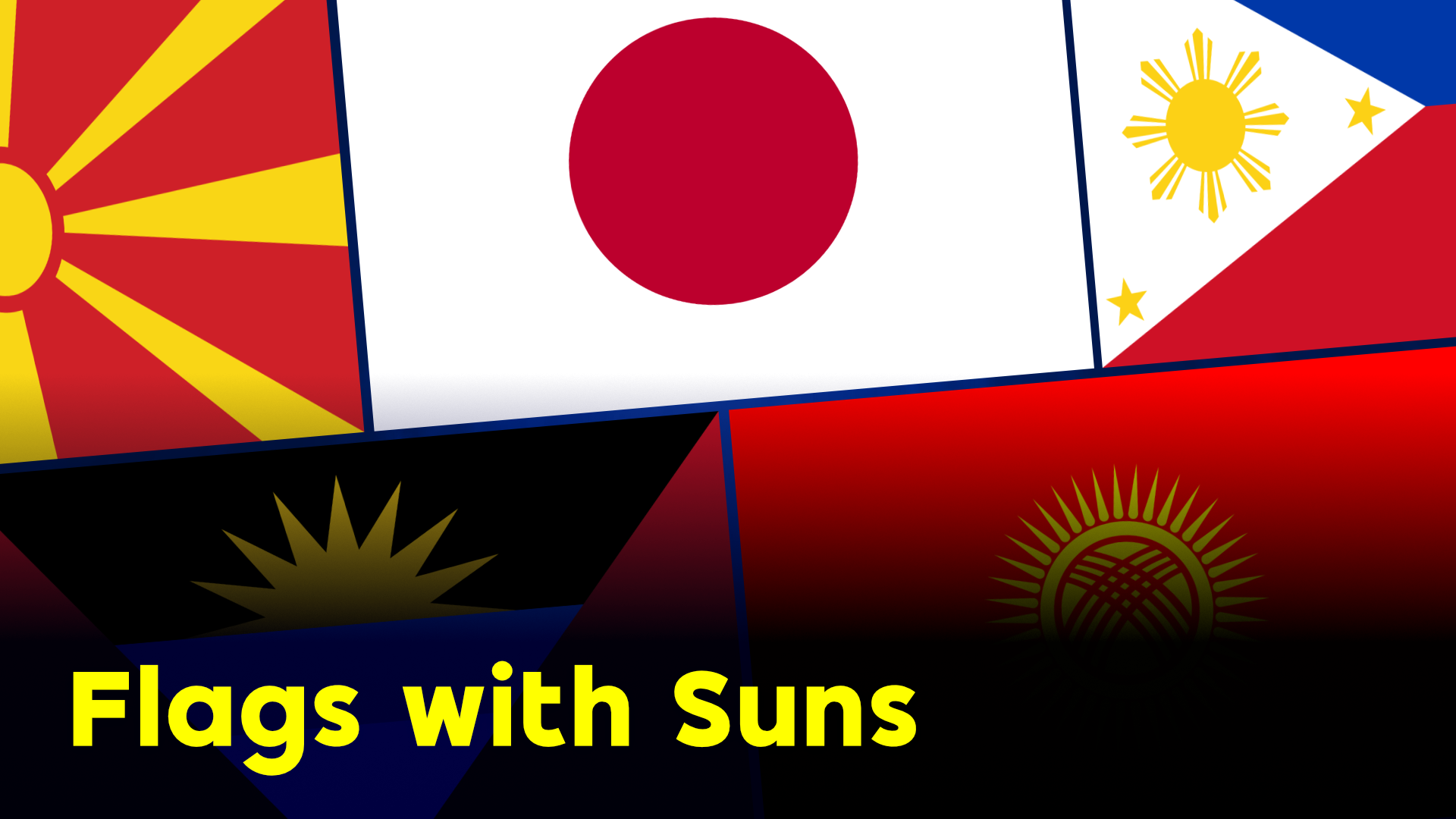
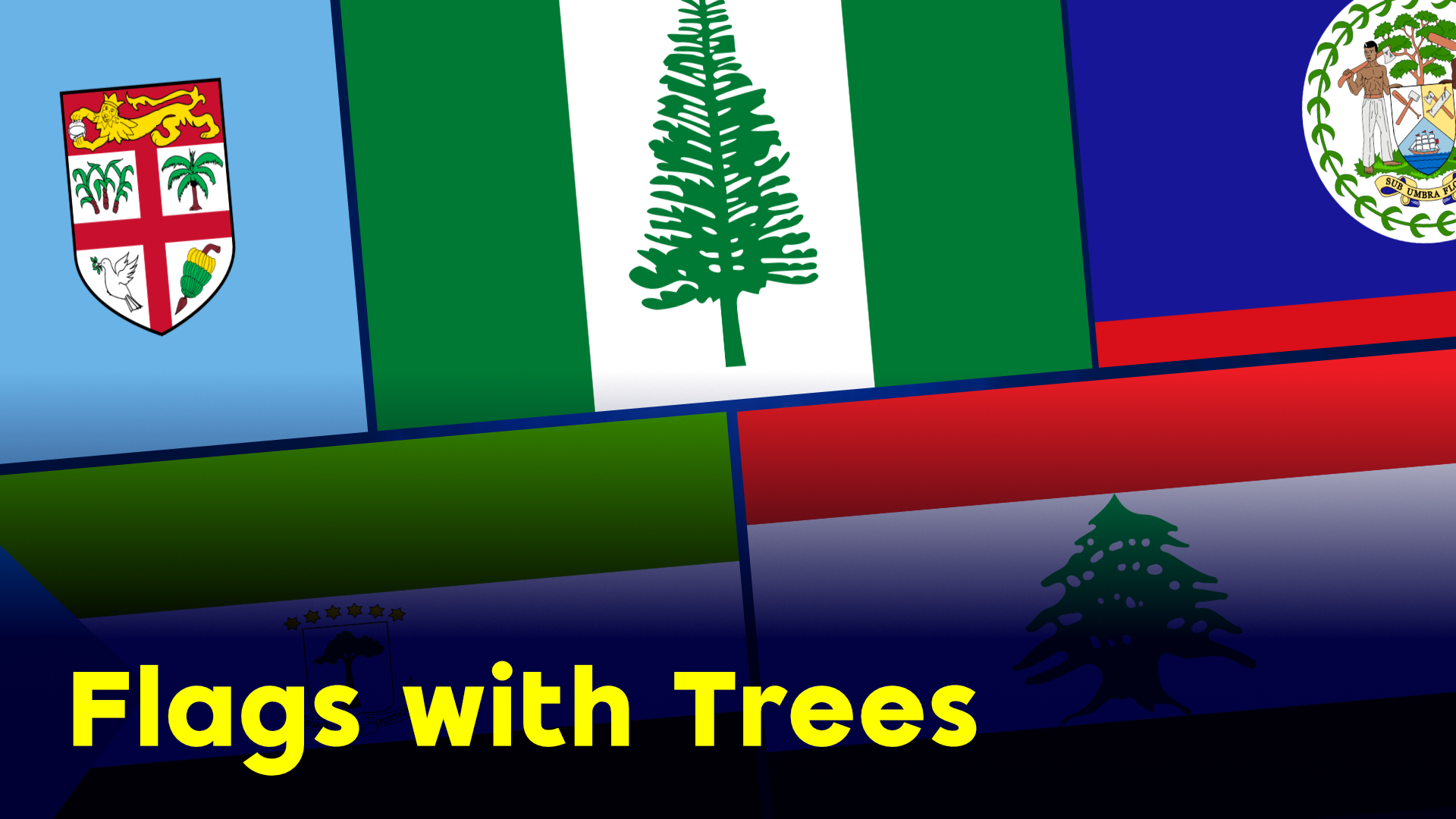
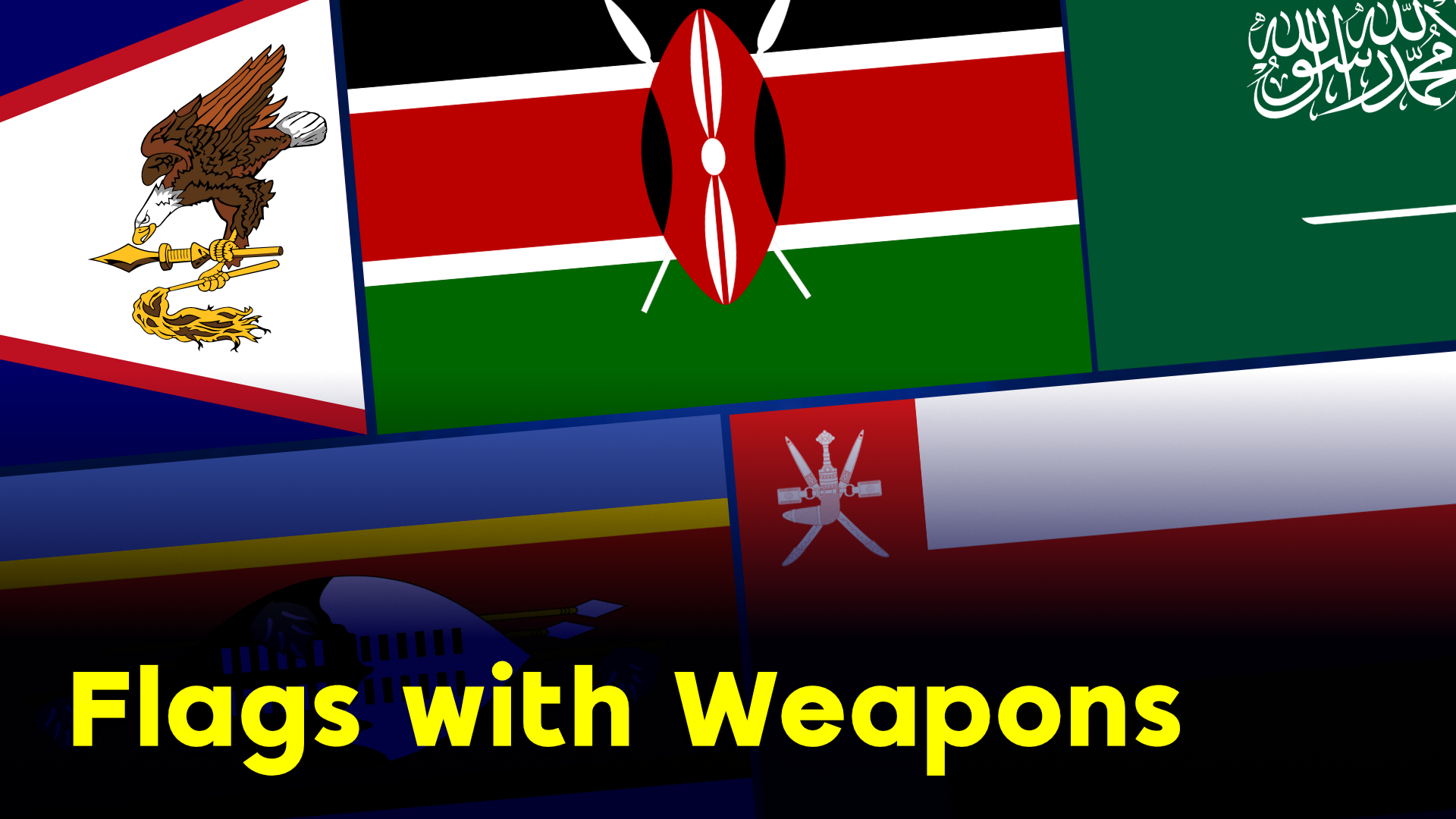
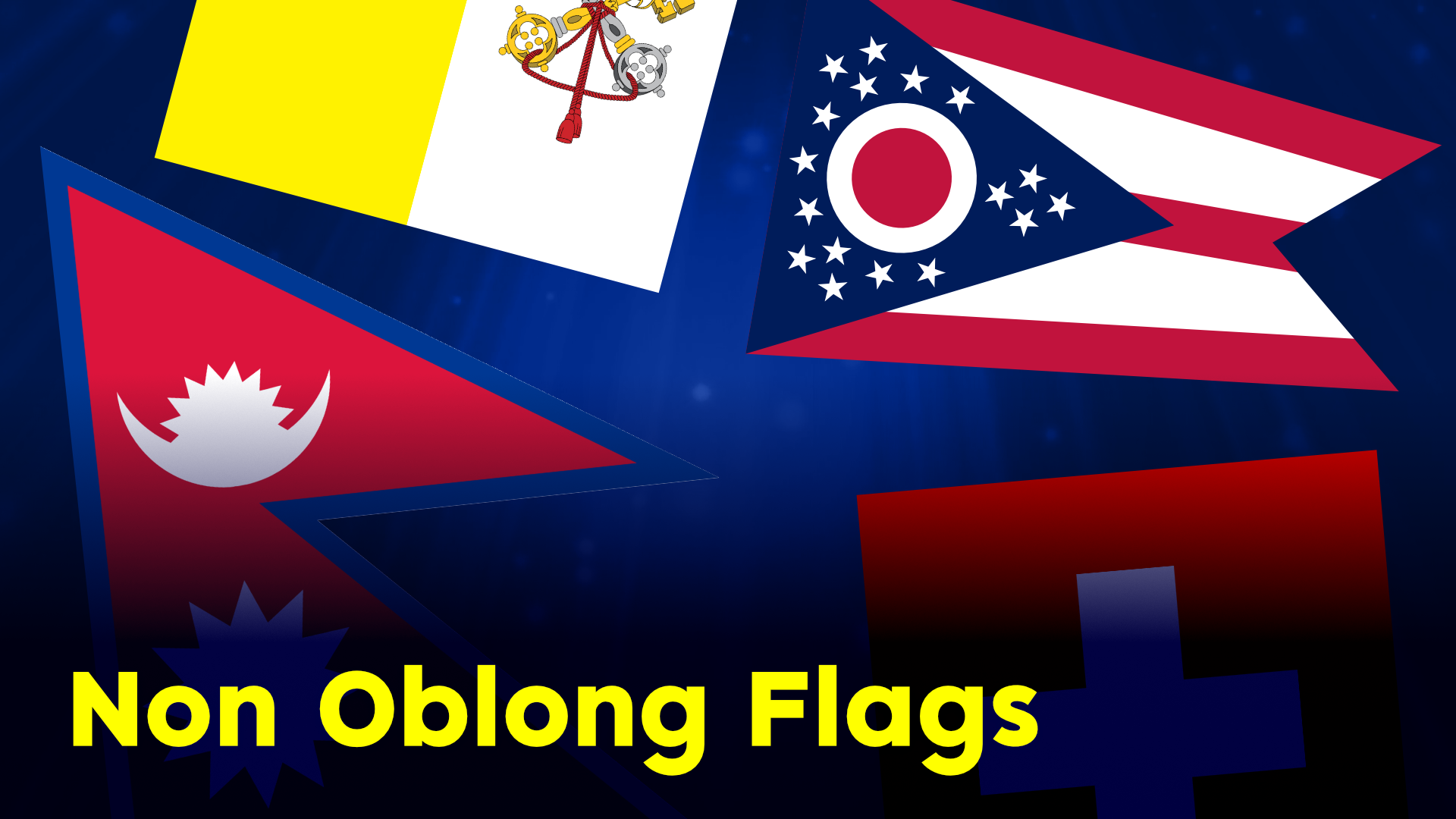
The Living Language of Flags
As nations evolve, borders shift, and new identities are forged, the world’s flags adapt right alongside them. Yet, even modern designs often look back into history, borrowing from these established families to tell their story. We hope you enjoy tracing the hidden histories and unique designs of world flags and the incredible stories behind the flags that shaped our world.